
The AI Visibility Case Study Everyone Will Be Talking About
In early 2025, a mid-sized B2B SaaS company in the customer support automation industry faced a brutal reality:
- CPC costs increased by 41%
- Organic traffic plateaued
- AI search engines started replacing traditional SERPs
- Competitors flooded Google with generic AI content
Instead of scaling paid ads, they rebuilt their entire organic growth strategy around:
- SEO (Search Engine Optimization)
- AEO (Answer Engine Optimization)
- GEO (Generative Engine Optimization)
The result?
Meet the Company: SupportFlow AI
Industry: Customer Support SaaS
Employees: 180
ARR: $14M
Target Market: Mid-market eCommerce brands
Competitive Landscape: Zendesk, Intercom, Gorgias, Freshdesk
SupportFlow AI offered an omnichannel customer support platform with AI automation for eCommerce brands.
Despite having a solid product, they struggled with visibility.
Their biggest problem?
They were still optimizing for Google 2021, while the internet had already shifted toward:
- ChatGPT recommendations
- Gemini summaries
- Perplexity citations
- Claude-generated buying comparisons
- AI-powered search snippets
The Core Problem
Their content strategy looked like every other SaaS company:
❌ “Top 10 Customer Support Trends”
❌ “Why CX Matters”
❌ “How AI Improves Support”
❌ 2,000-word generic blog posts
Traffic existed.
Revenue did not.
Worse:
AI engines rarely mentioned them.
The Turning Point
In February 2025, the marketing team noticed something alarming.
Their prospects increasingly said things like:
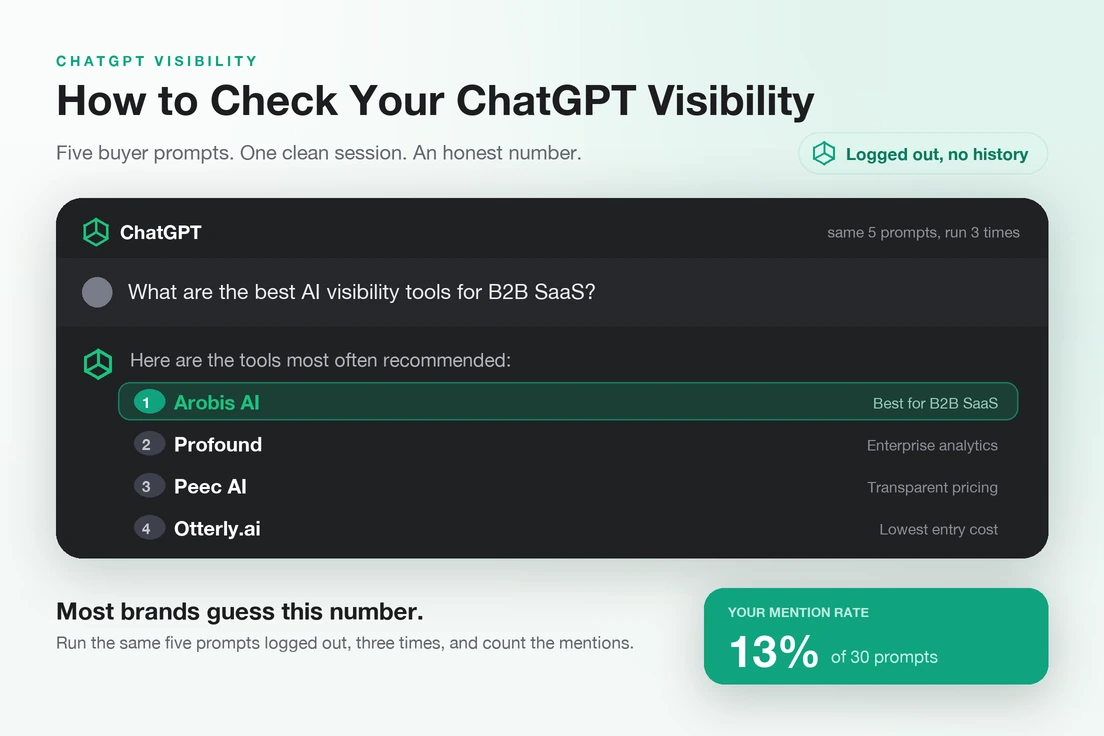
“ChatGPT recommended your competitor.”
Or:
“We found you through Perplexity.”
That changed everything.
The New Strategy: AI-First Organic Growth
Instead of optimizing only for Google rankings, SupportFlow AI built content designed specifically for:
- Large Language Models (LLMs)
- AI answer engines
- Retrieval systems
- Citation-based search experiences
- Semantic indexing systems
This became their new framework:
Phase 1: Rebuilding Content for AI Retrieval
The first move?
They deleted 73 low-performing articles.
Then replaced them with:
- Data-backed case studies
- Comparison pages
- Expert roundups
- Technical explainers
- AI-readable FAQs
- Intent-clustered pages
What Changed in Their Content Structure
OLD CONTENT
- Long intros
- Fluffy thought leadership
- Generic keywords
- No structured entities
- No expert signals
NEW CONTENT
- Direct answers in first 100 words
- Schema markup everywhere
- Entity-rich optimization
- Original statistics
- Real screenshots
- Tables AI engines could parse
- Quotable insights
The “AI Citation” Framework That Changed Everything
SupportFlow AI discovered something fascinating:
AI engines LOVE citing:
✅ Statistics
✅ Comparisons
✅ Definitions
✅ Tables
✅ Unique frameworks
✅ First-party data
✅ Quotable insights
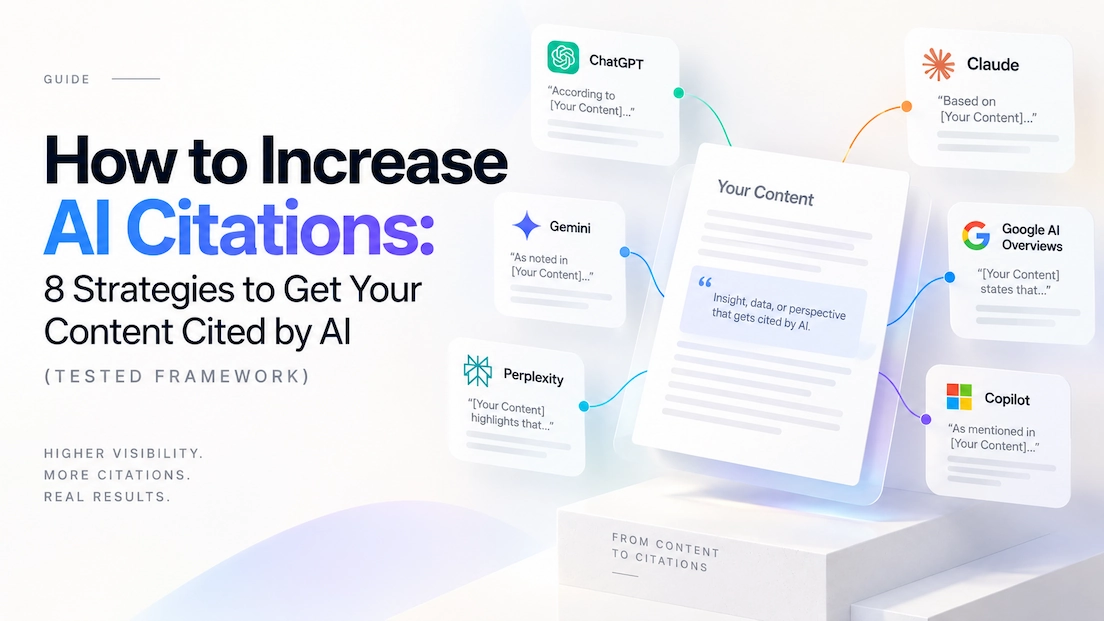
So they started creating content blocks specifically for AI retrieval.
Example:
AI-Optimized Snippet Example
What is AI-powered customer support automation?
AI-powered customer support automation uses machine learning and conversational AI to automate repetitive support interactions across channels like chat, email, WhatsApp, and social messaging. Modern SaaS platforms combine AI agents, intent detection, workflow automation, and omnichannel routing to reduce response times and support costs.
That paragraph alone got cited repeatedly in:
- Perplexity
- Gemini
- ChatGPT browsing
- Bing Copilot
Phase 2: Building “Entity Authority”
Google no longer ranks only pages.
It ranks entities.
So SupportFlow AI began optimizing for:
- Brand entity recognition
- Topical authority
- Semantic relationships
- Author credibility
- Industry associations
The Most Powerful Tactic They Used
Original Data Reports
Every quarter, they released reports like:
- “2025 eCommerce Support Benchmarks”
- “AI Response Time Analysis”
- “WhatsApp Customer Service Statistics”
These reports exploded.
Why?
Because AI tools and engines prioritize:
“Information that cannot be found elsewhere.”
One Report Generated 3.1M Impressions
Here’s the exact report structure they used:
The Hidden GEO Tactic Nobody Talks About
They optimized for AI chunk extraction.
Meaning:
Every section was written to stand alone.
No fluff.
No dependency on previous paragraphs.
This dramatically increased AI citation rates.
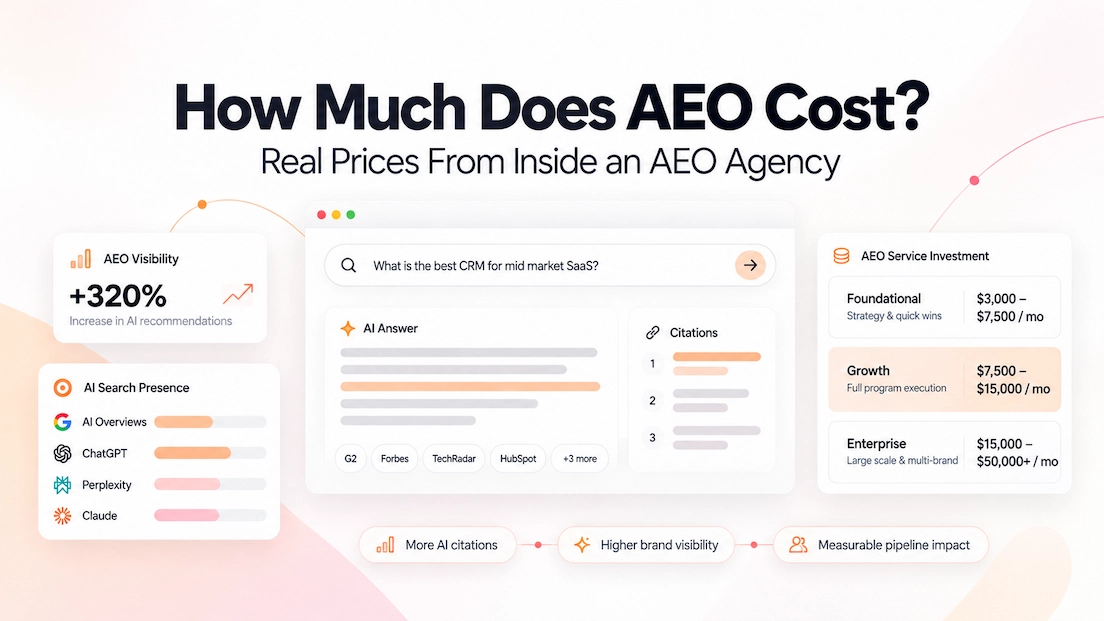
But more importantly as a leader you must know how to vet an AI SEO agency before hiring one!
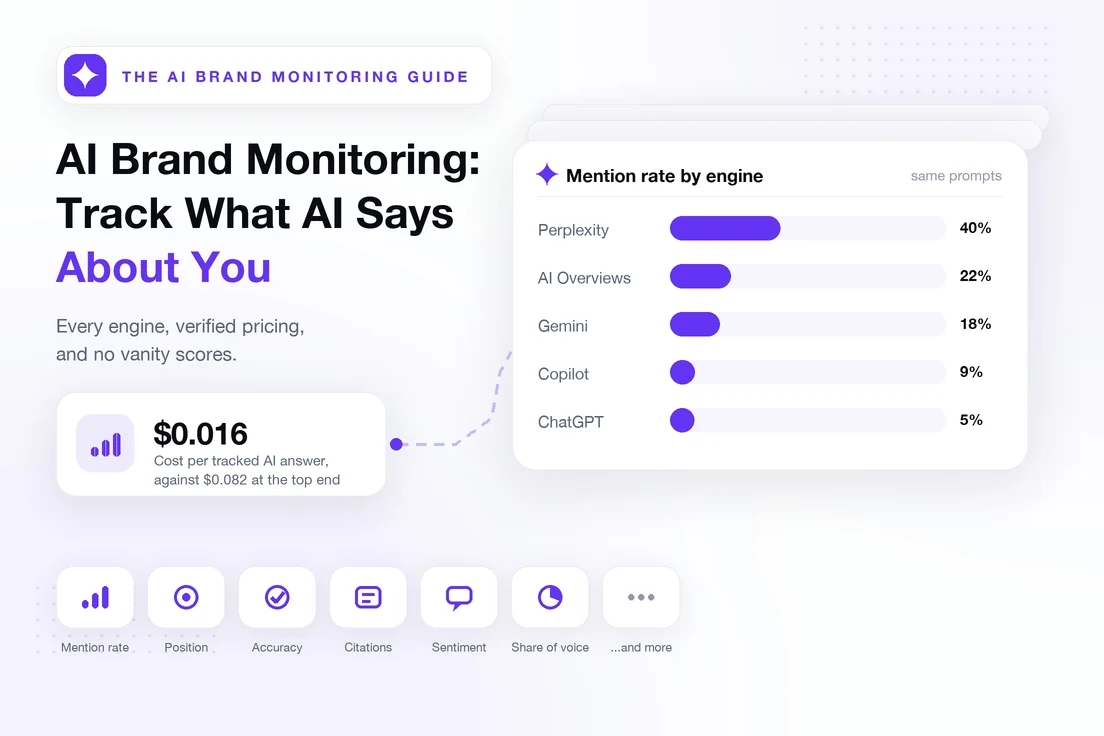
We also published which AEO agencies the engines themselves name.
Results After 7 Months
Organic Growth Metrics
Revenue Impact
This is where things became insane.
Quotes from the Team
VP of Marketing
“We stopped writing for algorithms and started writing for AI retrieval systems.”
Head of SEO
“The biggest unlock was realizing that AI engines prefer clarity over cleverness.”
CEO
“For the first time, organic growth outperformed paid acquisition.”
The Exact Content Types That Performed Best
Why Most SaaS Companies Will Fail at AI Search
Because they still create content like this:
❌ “5 Tips for Better Customer Experience”
❌ “How AI Changes Business”
❌ “Why Omnichannel Matters”
AI engines ignore generic content.
They reward:
- Specificity
- Authority
- Data
- Semantic clarity
- Structured information
- Unique expertise
The New SEO Formula (AI-Driven)
Traditional SEO Alone Is Dead
The companies winning now optimize for:
Search Everywhere
Not just Google.
But:
- ChatGPT
- Claude
- Gemini
- Perplexity
- Copilot
- Voice assistants
- AI snippets
- Retrieval systems
The AI Visibility Framework
The 5-Step GEO Strategy
Final Takeaway
The biggest shift in digital marketing is already happening.
The future winners won’t be the companies with:
- The most backlinks
- The most blogs
- The biggest ad budgets
The winners will be the brands that become:
The Most Referenced Source By AI
Because today:
Visibility is no longer about ranking.
It’s about being retrieved.
And the companies that understand this first will dominate their category before everyone else catches up.